


For decades, Indian real estate ran on personal relationships. Buyers depended on brokers, developers relied on site visits and referrals, and decisions were made with limited market information.
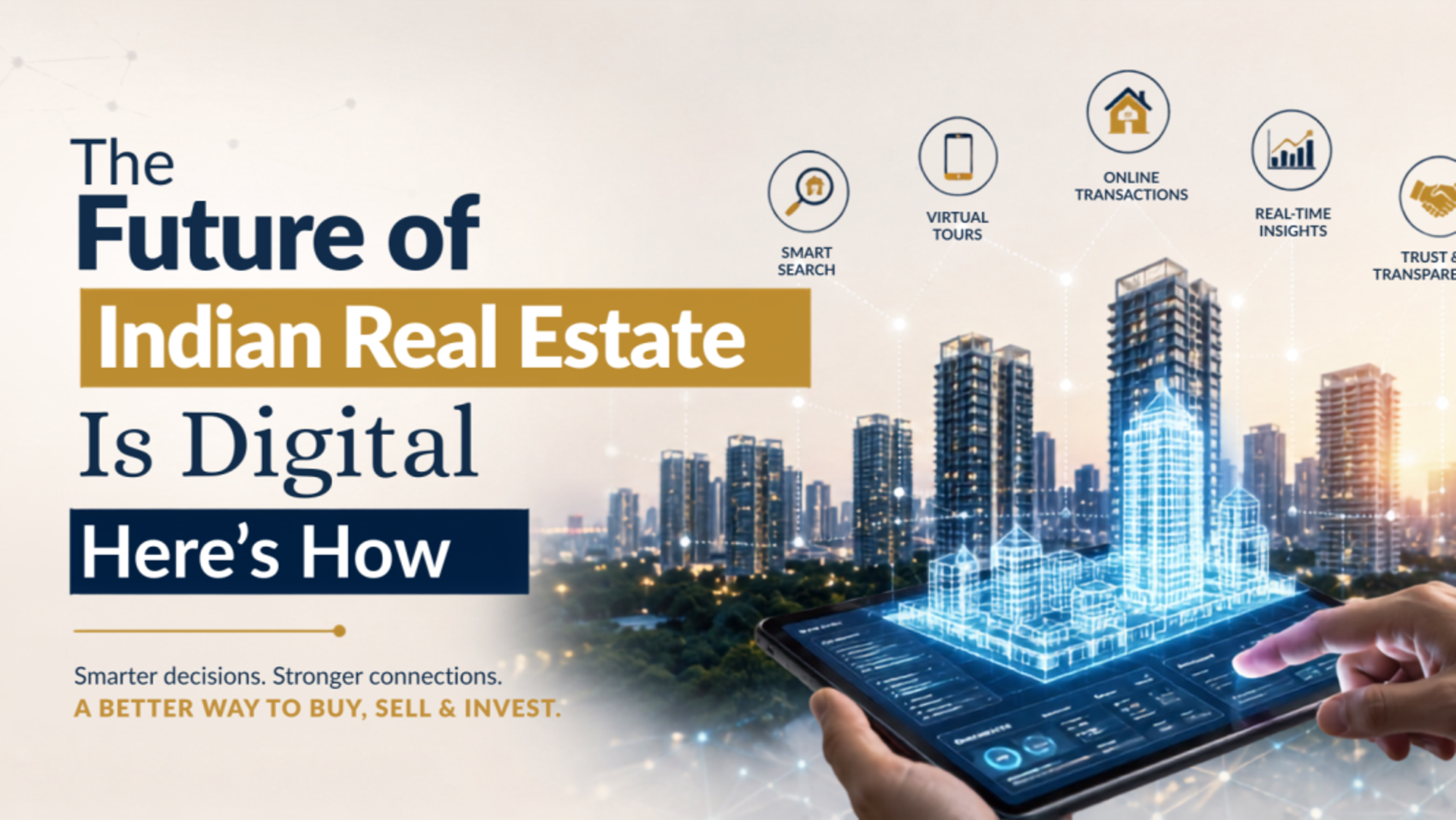
That model is changing fast. Technology no longer just supports the industry - it's changing how properties are discovered, evaluated, marketed, bought and managed. From AI and virtual tours to drones and data analytics, real estate is becoming a more connected, information-driven ecosystem.
The real question isn't whether technology will change real estate. It already has. The question is how deep that change will go.
The Digital Property Buyer Is Here
The buying journey now starts online. Before a single site visit, today's buyer can research locations, compare properties, study floor plans, check connectivity and watch project videos - all from a phone.
A decade ago, buyers depended on information from the site visit itself. Today, they arrive with hours of independent research already done. For developers, having an online presence isn't enough anymore - the information has to be accurate, transparent and genuinely useful. Businesses that help buyers understand their options, rather than just promote listings, build stronger trust.
AI Is Changing Property Discovery
Imagine searching for a property without scrolling through hundreds of listings. Give an AI-powered platform your budget, location, property type, lifestyle needs and investment goals, and it narrows down suitable options - while also helping with recommendations, lead qualification and market analysis.
But AI can process information; it can't replace judgment. Buying a home involves financial capacity, family needs, risk tolerance and personal preference - factors that don't fit neatly into an algorithm. The future likely isn't AI replacing advisors, but AI helping advisors work faster and better.
Virtual Tours and Drones Are Reshaping Discovery
Physical visits still matter, especially for high-value purchases - but buyers no longer need to visit every project up front. Virtual tours and 360-degree walkthroughs let buyers explore remotely, which is especially valuable for NRIs, outstation buyers, investors in other cities and anyone comparing multiple projects. Technology can help shortlist five properties digitally before deciding which two deserve an in-person visit.
Location matters as much as the property itself, and drone imagery and aerial mapping help buyers see the bigger picture - road networks, upcoming infrastructure, neighbouring developments and open spaces - rather than just a building or plot.
Data Is Becoming a Real Estate Advantage
Property decisions have always relied on intuition and local knowledge. Those still matter, but data now makes it easier to weigh multiple factors: price trends, rental demand, infrastructure development, employment growth, population trends and supply-demand dynamics.
Data doesn't eliminate risk. But it helps investors move from "I think this location will grow" to "here's the evidence supporting that." That's a meaningful shift in how decisions get made.
Developers Are Going Digital Too
The shift isn't limited to buyers. Developers now use digital planning tools for design and coordination, construction tech for monitoring, CRM platforms to manage customer relationships, and digital marketing to reach audiences far beyond their immediate geography. Digital documentation cuts paperwork and speeds up communication.
This broader shift is often called PropTech - property technology covering everything from search platforms and virtual tours to smart buildings and property management systems. Its value isn't the technology itself, but the problems it solves: making things faster, easier, more transparent, more accessible, or more informed.
Will Technology Replace Human Expertise?
Probably not. Real estate is a high-value, deeply personal decision. A buyer might discover a property, compare prices, and take a virtual tour using technology - but when a major chunk of their wealth is on the line, they still want to talk to someone who understands the market and their situation.
Technology provides information; human expertise provides context. Technology compares properties advisors understand priorities. Technology analyses data, people decide what it means for them. The future isn't technology versus people - it's technology plus human expertise, and the strongest businesses will combine both.
What This Means Going Forward
As internet penetration, AI tools, digital payments and data-driven platforms mature, property buying will only get more digital. But that shouldn't mean more complicated - it should mean easier to understand. Buyers deserve better information, investors better evaluation tools, developers better transparency, and professionals more time to focus on people instead of paperwork.
The technology itself isn't the destination. Better real estate experiences are - and the businesses that win will be the ones using the right technology to solve real problems, without losing the human judgment that makes property decisions meaningful.
SEO Title: The Future of Indian Real Estate Is Digital — Here's How
Meta Description: Discover how AI, PropTech, virtual tours, data analytics and digital tools are transforming India's real estate industry and property-buying experience.
URL Slug: /how-technology-is-reshaping-indian-real-estate/
Primary Keyword: Indian real estate industry
Secondary Keywords: real estate technology, PropTech in India, AI in real estate, technology in real estate, digital real estate, future of Indian real estate
Tags
RealHubb Team
Real Estate Expert · RealHubb Ventures
RealHubb Team is a seasoned real estate advisor at RealHubb, dedicated to helping families find their dream homes in Bangalore, Hyderabad, and Chennai.